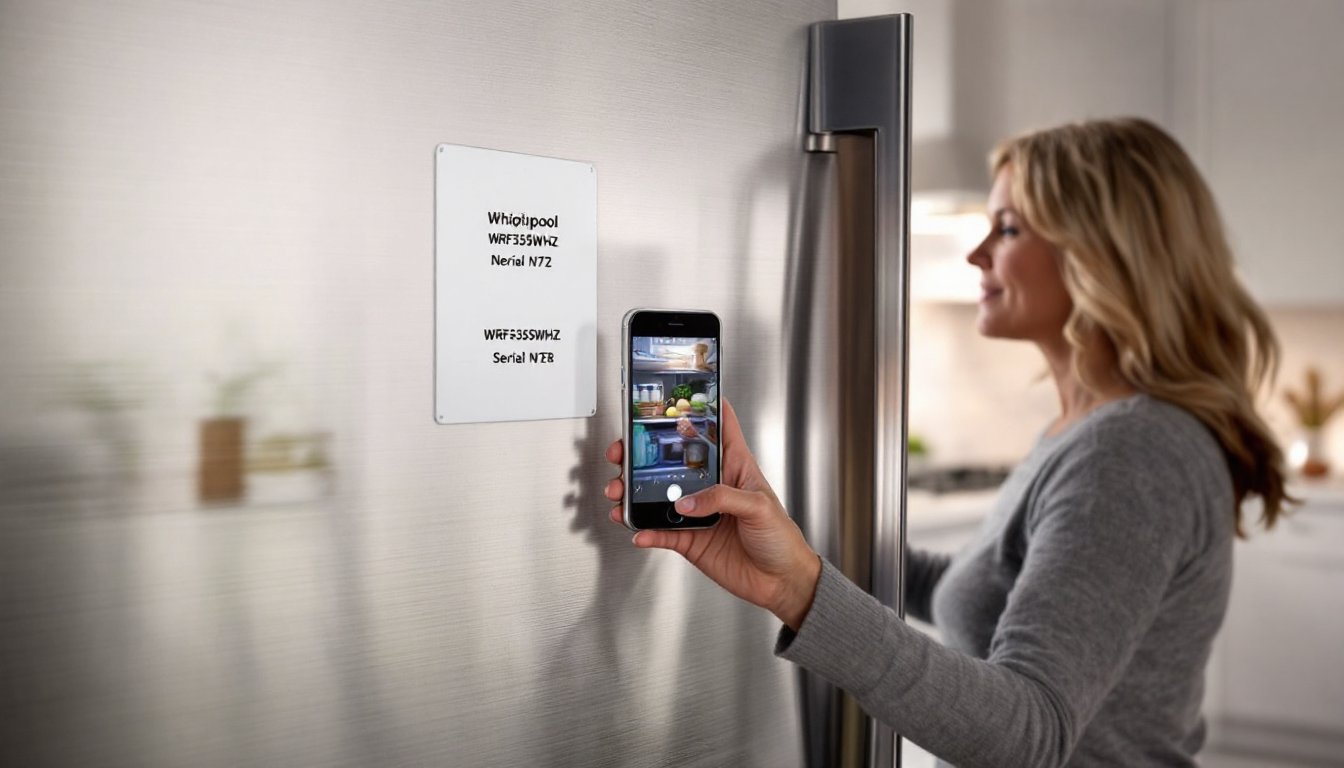
A refrigerator humming quietly in the background is normal. But when it starts buzzing, rattling, or squealing loud enough to hear from the next room, something’s off. Most refrigerator noises stem from mechanical wear, loose components, or placement issues, and many are fixable without calling a repair tech. Understanding why your refrigerator is making noise helps you distinguish between harmless operational sounds and signs of a failing part. This guide walks through seven common refrigerator noises, what causes them, and how to troubleshoot each one before a small annoyance turns into a costly breakdown.
Table of Contents
ToggleKey Takeaways
- Normal refrigerator sounds like low humming, gentle gurgling, and occasional clicking are part of regular operation, but new or escalating noises signal potential problems that warrant investigation.
- Buzzing or loud humming often indicates compressor or relay issues; cleaning condenser coils can reduce noise by up to 25% and is the first troubleshooting step to try.
- Rattling noises are usually caused by loose external parts, uneven flooring, or inadequate clearance rather than internal failure and are among the easiest refrigerator sounds to fix yourself.
- High-pitched squealing or screeching typically means the evaporator fan motor is failing due to worn bearings or ice buildup and may require fan motor replacement costing $30–$80.
- Cleaning the defrost drain annually and keeping your refrigerator level prevents many common issues, and addressing small problems early can save hundreds in repair costs.
- If clicking is rapid and continuous, the start relay or overload protector may be faulty; professional compressor repair typically costs $300–$600 and may not be worthwhile for units older than 10 years.
Normal Refrigerator Sounds vs. Problem Noises
Not every sound from a refrigerator signals trouble. Modern units cycle on and off, run defrost cycles, and circulate refrigerant, all of which produce some noise.
Normal operational sounds include:
- Low humming or buzzing: The compressor running, typically intermittent as the cooling cycle kicks in.
- Gentle gurgling or bubbling: Refrigerant flowing through coils during cooling and defrost.
- Occasional clicking: The defrost timer or relay switching on and off.
- Soft whooshing or hissing: The evaporator fan circulating cold air inside.
These sounds are usually consistent in volume and rhythm. They shouldn’t keep you awake or demand attention across the room.
Problem noises tend to be louder, irregular, or new. If the refrigerator suddenly rattles violently, squeals continuously, or clicks repeatedly without starting, that’s a red flag. The key is change: a unit that’s always hummed softly and now roars like a lawn mower needs investigation. If you’re unsure whether a sound is normal, record it on your phone and compare it over a few days. Escalating volume or frequency usually means a component is wearing out or misaligned.
Buzzing or Humming: Compressor and Relay Issues
A persistent buzzing or loud humming often points to the compressor or the start relay that powers it. The compressor is the heart of the refrigerator’s cooling system, pressurizing refrigerant and pumping it through the coils. When it struggles to start or runs under strain, it can produce a pronounced buzz.
Common causes:
- Failing start relay: This small device gives the compressor the electrical jolt it needs to kick on. When it fails, the compressor hums or buzzes but doesn’t start, and the fridge won’t cool properly.
- Dirty condenser coils: Dust and debris on the coils (usually located on the back or bottom of the unit) force the compressor to work harder, increasing noise and energy draw.
- Compressor wear: An aging compressor may hum louder than usual, especially near the end of its lifespan (typically 10–15 years for residential units).
How to troubleshoot:
- Unplug the refrigerator and locate the condenser coils. Use a coil brush or vacuum with a brush attachment to remove dust and pet hair. Clean coils can reduce noise and improve efficiency by up to 25%.
- Access the start relay, usually mounted on the compressor at the back lower section of the unit. Unplug the relay and shake it gently. If it rattles, it’s likely failed and needs replacement. Relays cost $10–$30 and are straightforward to swap, just match the part number.
- Plug the unit back in and listen. If the buzzing persists and the compressor feels extremely hot to the touch, the compressor itself may be failing. This repair typically requires a licensed appliance technician and can cost $300–$600, sometimes approaching the cost of a new unit.
Safety note: Always unplug the refrigerator before accessing internal components. Wear gloves when handling parts near the compressor, as they can get hot.
Rattling or Vibrating: Loose Parts and Placement Problems
Rattling and vibrating noises are among the easiest refrigerator sounds to fix, and they’re usually not a sign of internal failure. Instead, they come from loose external parts, poor placement, or items on top of or inside the unit.
Common causes:
- Uneven floor: If the refrigerator isn’t level, it can rock slightly during compressor operation, causing rattling.
- Loose drain pan: The drain pan sits beneath the unit and collects condensation. If it shifts out of place, it vibrates against the frame.
- Items on top or inside: Anything placed on or inside the refrigerator, magnets, containers, or shelf clips, can rattle when the compressor or fan runs.
- Clearance issues: Refrigerators need at least 1 inch of clearance on the sides and back for airflow. When pushed too close to walls or cabinets, vibrations can transfer and amplify. Many modern kitchen design ideas emphasize built-in appliances, but adequate airflow remains critical.
How to troubleshoot:
- Remove everything from the top and door of the refrigerator. Listen for a few minutes. If the rattling stops, the culprit was external.
- Check the floor with a level. Adjust the front leveling legs (usually accessible from the front lower corners) until the unit tilts slightly backward, this helps the door close on its own and reduces vibration.
- Pull the refrigerator forward and inspect the drain pan. Snap it back into its mounting clips if it’s loose.
- Ensure at least 1 inch of clearance on all sides. If the unit is in a tight alcove, vibrations may echo off adjacent surfaces.
If rattling persists, check internal shelves and drawers. A loose crisper drawer or shelf bracket can vibrate during the cooling cycle.
Clicking Sounds: Defrost Timer and Compressor Concerns
An occasional click is normal, refrigerators use a defrost timer or electronic control board to cycle between cooling and defrosting. But rapid, repeated clicking or clicking without the compressor starting signals a problem.
Common causes:
- Defrost timer cycling: A mechanical defrost timer clicks when it switches the unit from cooling mode to defrost mode, usually every 8–12 hours. This is normal and brief.
- Failing start relay or overload protector: If the relay clicks repeatedly but the compressor doesn’t start, the relay or overload protector may be faulty.
- Compressor struggling to start: Internal compressor issues can cause clicking as the unit tries and fails to engage.
How to troubleshoot:
- Listen to the pattern. A single click every few hours is likely the defrost timer and nothing to worry about.
- If clicking is rapid and continuous, unplug the refrigerator and inspect the start relay and overload protector (mounted on the compressor). Remove and test the relay as described in the buzzing section. The overload protector is a small disc-shaped component: if it’s tripped, it will click but not reset until it cools.
- If both components test fine, the compressor itself may have internal mechanical failure. This requires professional diagnosis. Compressor replacement is expensive and may not be cost-effective on units older than 10 years.
When to call a pro: If the clicking is accompanied by no cooling and the refrigerator is relatively new (under 5 years), contact the manufacturer or a certified technician. Many compressors carry extended warranties.
Squealing or Screeching: Evaporator Fan Motor Failure
A high-pitched squeal or screech coming from inside the refrigerator compartment usually means the evaporator fan motor is failing. This fan circulates cold air from the freezer to the fresh food section, and when its bearings wear out or it becomes obstructed, it can produce a loud, grating noise.
Common causes:
- Worn motor bearings: Over time, the fan motor bearings dry out or degrade, causing metal-on-metal friction and squealing.
- Ice buildup on fan blades: Frost or ice can accumulate on the evaporator fan in the freezer, especially if the defrost system isn’t working properly. When the blades hit ice, they squeal or scrape.
- Foreign object obstruction: Occasionally, food packaging or ice fragments can slip behind the fan cover and interfere with the blades.
How to troubleshoot:
- Unplug the refrigerator and locate the evaporator fan. It’s typically behind a panel inside the freezer compartment. Remove shelves and unscrew the access panel (usually held by several screws).
- Inspect the fan blades for ice buildup. If present, the defrost system may be malfunctioning. Let the unit thaw completely (this can take 24 hours) or carefully melt ice with a hair dryer on low heat, never use sharp tools, as puncturing refrigerant lines is costly and dangerous.
- Spin the fan blade by hand. It should rotate freely and quietly. If it’s stiff, gritty, or squeals when turned, the motor bearings are shot. Replacement evaporator fan motors cost $30–$80 and are a moderate DIY job if you’re comfortable with basic appliance repair. Match the part number exactly.
- Reassemble the panel, plug the unit back in, and listen. If the squeal returns immediately, the motor needs replacement.
Safety: Wear gloves and eye protection when working inside the freezer compartment, especially if using a hair dryer near plastic components.
Gurgling or Dripping: Refrigerant Flow and Drainage
Gurgling, bubbling, or dripping sounds are usually normal, reflecting refrigerant moving through the coils or condensation draining away. But excessive or new gurgling can indicate a problem.
Normal gurgling:
- Refrigerant flow: As the cooling cycle runs, liquid refrigerant evaporates and flows through the evaporator coils, creating a gentle bubbling or gurgling sound. This is most noticeable right after the compressor shuts off.
- Defrost drainage: During the defrost cycle, melted frost drips into the drain pan and can produce a dripping or trickling sound.
Problem gurgling:
- Clogged defrost drain: If the drain tube (which carries melt water from the freezer to the drain pan) becomes clogged with debris or ice, water can pool and gurgle loudly. It may also leak inside the refrigerator or onto the floor.
- Low refrigerant (rare in sealed systems): A refrigerant leak can change the sound of the cooling cycle, though this usually also causes poor cooling and requires professional repair.
How to troubleshoot:
- If gurgling is new and accompanied by water pooling under crisper drawers or on the floor, check the defrost drain. It’s usually located at the back of the freezer floor or behind a panel.
- Unplug the unit and use a turkey baster or small funnel to flush the drain with warm water mixed with a teaspoon of baking soda. This can clear minor clogs.
- For stubborn blockages, use a length of flexible tubing or a pipe cleaner to gently clear the drain line. Avoid forcing rigid objects, as the tubing is fragile.
- If gurgling continues and cooling performance drops, a refrigerant issue may be present. This requires a licensed technician, as refrigerant handling is regulated and specialized equipment is needed.
Many home maintenance guides recommend cleaning the defrost drain annually to prevent clogs and odors.
Conclusion
Most refrigerator noises have straightforward causes, loose parts, dirty coils, or minor component wear. Distinguishing normal sounds from problem noises saves time and money, and many fixes require only basic tools and an hour of work. Clean condenser coils annually, keep the unit level, and listen for changes in sound patterns. When a noise escalates or cooling performance drops, address it promptly. Small issues caught early rarely require expensive repairs or replacement.