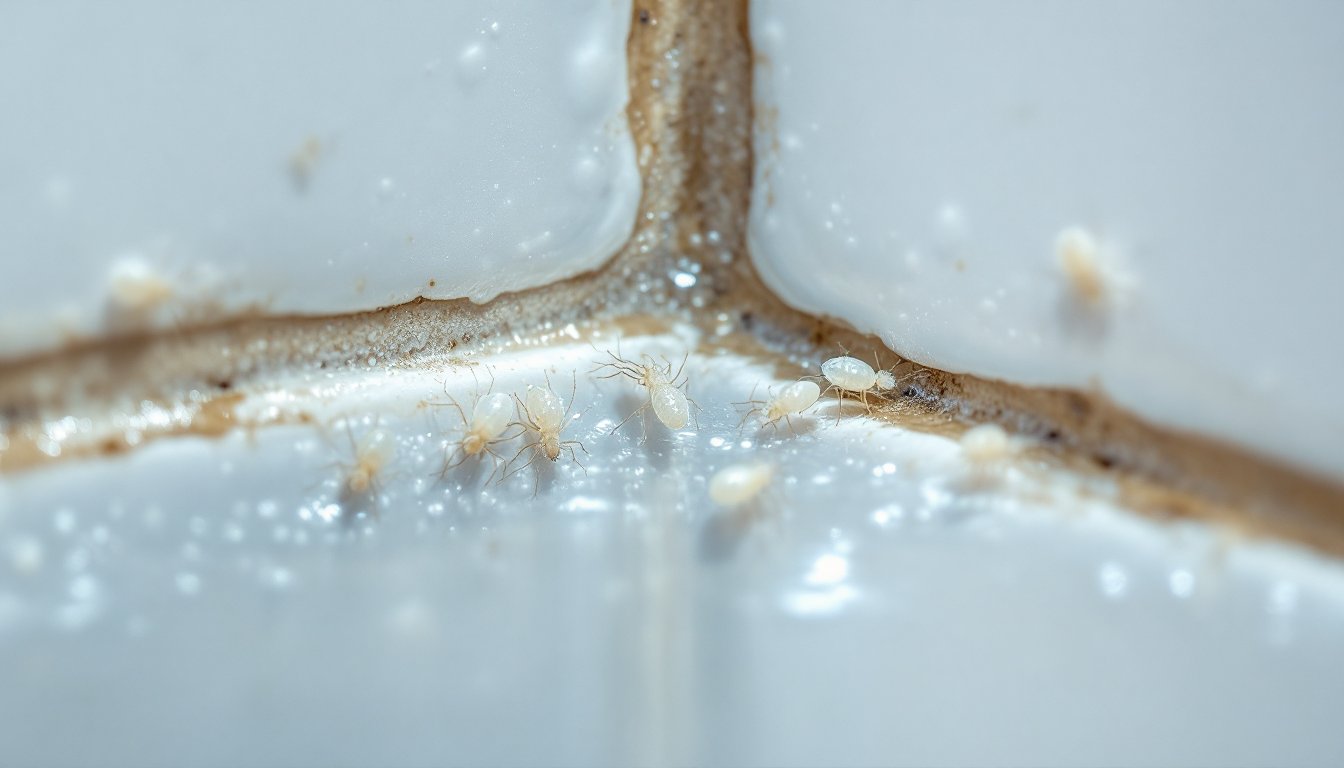
Spotting tiny white bugs crawling across your windowsill, kitchen counter, or bathroom wall is unsettling. These nearly microscopic invaders can appear seemingly out of nowhere, often in clusters, and homeowners frequently struggle to identify what they’re dealing with. The good news? Most tiny white bugs in house environments are harmless to humans but indicate underlying moisture, mold, or ventilation issues that need attention. This guide walks through the most common culprits, why they’ve chosen your home, and proven methods to eliminate them without calling an exterminator.
Table of Contents
ToggleKey Takeaways
- Tiny white bugs in house environments are usually harmless to humans but signal underlying moisture, mold, or ventilation problems that require immediate attention.
- Common culprits include mold mites (found near leaks and damp surfaces), whiteflies (plant pests that cluster on leaf undersides), and booklice (attracted to humid storage areas).
- Controlling moisture is the most effective long-term solution—use dehumidifiers to keep humidity below 50%, fix leaks promptly, and run exhaust fans in bathrooms and kitchens.
- Clean visible mold with a bleach solution (1 part bleach to 10 parts water) and remove porous materials like affected drywall or insulation, since surface cleaning alone won’t eliminate embedded spores.
- For plant-related infestations, isolate affected houseplants and treat them with insecticidal soap or neem oil every 5–7 days, or discard severely infested plants to prevent spread.
- If infestations persist despite moisture control, use thermal imaging or moisture meters to detect hidden water sources inside walls, as structural repairs may be needed alongside pest management.
What Are Those Tiny White Bugs in Your Home?
Tiny white bugs measure anywhere from 1/32 inch to 1/8 inch long, about the size of a pinhead or smaller. They often appear as barely visible specks that move slowly or jump short distances. Most homeowners notice them on surfaces near moisture sources: bathroom tiles, basement walls, potted plants, or around leaky pipes.
These insects aren’t a single species. The term covers several distinct bugs that share similar size, color, and habitat preferences. Accurate identification matters because treatment varies. A mold mite infestation requires different steps than dealing with whiteflies or booklice.
Unlike bed bugs or termites, most tiny white bugs don’t bite humans or damage structural wood. They’re nuisance pests that signal environmental problems, high humidity, mold growth, or decaying organic matter. Ignoring them won’t make the underlying issue disappear. Addressing the root cause is critical for long-term control.
To identify your pest, grab a magnifying glass (10x magnification works well) and observe their behavior. Do they jump? Fly? Cluster on damp surfaces? Do you see them near plants or only in bathrooms and basements? These clues narrow down the species and guide your next steps.
Common Types of Tiny White Bugs Found Indoors
Mold Mites
Mold mites (Tyrophagus putrescentiae and related species) are translucent to white, about 0.3 to 0.5 mm long, and thrive in damp, moldy environments. They feed on mold spores and organic debris, so you’ll find them near leaky pipes, condensation-prone windows, damp drywall, or poorly ventilated bathrooms.
Under magnification, mold mites have eight legs (they’re arachnids, not insects) and move slowly. Large infestations create a dusty, grayish appearance on surfaces, that’s thousands of mites clustered together. They don’t bite, but their presence indicates active mold growth, which poses respiratory risks.
According to expert cleaning guidelines, controlling moisture is the only reliable way to eliminate mold mites. Fix leaks, run exhaust fans during showers, and use a dehumidifier in basements or crawl spaces to keep relative humidity below 50%. Clean visible mold with a solution of one part bleach to ten parts water (wear gloves, goggles, and a respirator mask rated for mold spores). Mold mites disappear once their food source is gone.
Whiteflies
Whiteflies are 1/16 inch long, winged insects that resemble tiny moths. They’re actually plant pests, not true flies, and you’ll encounter them indoors if you have houseplants or an indoor garden. They cluster on the undersides of leaves and take flight in a small cloud when the plant is disturbed.
Whiteflies feed on plant sap, weakening foliage and leaving behind sticky honeydew that attracts mold. Infested plants develop yellowing leaves, stunted growth, and sooty black residue. Outdoor whiteflies can enter through open windows or doors, especially during warm months, but they need plants to survive.
To control whiteflies, isolate affected plants immediately. Spray foliage with a mixture of one tablespoon insecticidal soap per quart of water, coating leaf undersides thoroughly. Yellow sticky traps placed near plants catch adults. For severe infestations, consider introducing beneficial insects like ladybugs or lacewings, which prey on whitefly larvae. Neem oil sprays also disrupt their reproductive cycle, apply every five to seven days until the infestation clears.
Booklice (Psocids)
Booklice, or psocids, are 1/16 to 1/25 inch long, soft-bodied, and cream to translucent white. Even though their name, they’re not lice and don’t infest humans or pets. They feed on mold, fungi, pollen, and starches found in book bindings, wallpaper paste, stored grains, and cardboard boxes.
You’ll spot booklice in humid areas with poor air circulation: basements, attics, closets, or storage rooms. Detailed home maintenance advice emphasizes that booklice populations explode when indoor humidity exceeds 60%. They’re harmless but indicate damp conditions that can damage belongings and encourage mold.
Elimination starts with lowering humidity. Use a dehumidifier to bring levels down to 40-50% and improve ventilation in storage areas. Discard moldy books, cardboard, or paper products. Vacuum infested areas thoroughly, disposing of the vacuum bag immediately. Booklice can’t survive in dry conditions, so consistent moisture control solves the problem without pesticides.
Why Tiny White Bugs Are Attracted to Your Home
Moisture is the single biggest draw for tiny white bugs. Mold mites and booklice need humidity above 50-60% to survive and reproduce. Leaky plumbing, condensation on windows, damp basements, or slow-draining bathroom fixtures create ideal breeding grounds. Even minor leaks inside wall cavities or under sinks can sustain populations you don’t see until they spill into visible areas.
Poor ventilation compounds the problem. Bathrooms without exhaust fans trap steam from showers, and basements with inadequate airflow allow moisture to settle on surfaces. Crawl spaces with exposed dirt or insufficient vapor barriers introduce ground moisture into the home. If your HVAC system doesn’t adequately dehumidify, especially in humid climates, indoor conditions stay favorable for pests year-round.
Organic matter provides food. Mold spores, decaying plant material, book bindings, wallpaper paste, and even dust contain starches and fungi that booklice and mold mites eat. Houseplants bring in whiteflies, especially if you’ve introduced new plants without inspecting them first. Overwatering plants increases soil moisture and encourages fungus gnats and mold, which attract secondary pests.
Structural issues open entry points. Gaps around windows, doors, and foundation cracks let outdoor pests inside. Poorly sealed crawl space vents or attic louvers allow humid outdoor air to infiltrate. If your home has a history of water intrusion, roof leaks, basement flooding, or slab cracks, hidden moisture pockets may persist even after visible repairs.
How to Get Rid of Tiny White Bugs Naturally
Start by controlling moisture. Run a dehumidifier in basements, crawl spaces, and other damp areas to bring relative humidity below 50%. Use exhaust fans in bathrooms and kitchens during and after cooking or showering. Fix leaky faucets, pipes, and roof penetrations immediately. Check under sinks, around toilets, and behind appliances for hidden leaks. If condensation forms on windows, improve insulation or add storm windows to raise interior glass temperatures.
Clean and remove mold. Scrub visible mold from hard surfaces using a solution of one cup bleach per gallon of water or a commercial mold remover. Wear gloves, goggles, and an N95 or P100 respirator to avoid inhaling spores. Porous materials like drywall, insulation, or carpet padding that have absorbed mold should be removed and replaced, cleaning surface mold won’t kill spores embedded deep in the material. After cleaning, run a HEPA air purifier to capture airborne spores and prevent recolonization.
For plant-related pests, isolate infested houseplants and treat with insecticidal soap or neem oil. Mix one tablespoon insecticidal soap per quart of water and spray all leaf surfaces, especially undersides, every five to seven days. Yellow sticky traps catch flying adults. If a plant is severely infested and treatment isn’t working, discard it to prevent spread. Comprehensive home improvement guides recommend inspecting new plants carefully before bringing them indoors.
Vacuum infested areas thoroughly using a vacuum with a HEPA filter. Focus on cracks, baseboards, windowsills, and storage areas. Dispose of the vacuum bag or empty the canister outside immediately to prevent bugs from escaping back into your home. Wash any affected fabrics, curtains, bedding, towels, in hot water (at least 130°F) to kill eggs and larvae.
Improve ventilation and airflow. Open windows when outdoor humidity is low, run ceiling fans to circulate air, and consider installing additional exhaust fans in problem areas. In basements, a vapor barrier on the floor and walls prevents ground moisture from entering. For crawl spaces, encapsulation with a 6-mil polyethylene barrier and a dedicated dehumidifier keeps conditions dry.
Store items properly. Keep books, paper, and cardboard off the floor and away from exterior walls. Use airtight plastic bins instead of cardboard boxes for long-term storage. Avoid overstocking closets and storage rooms, good airflow around items prevents moisture buildup.
If infestations persist even though these steps, inspect for hidden moisture sources. Thermal imaging cameras (rentable from tool shops) can reveal wet areas inside walls or ceilings. A moisture meter helps check wood framing, subfloors, and drywall for elevated readings. Persistent problems may indicate a larger issue, failed roof flashing, foundation cracks, or plumbing leaks inside walls, that requires professional assessment. Most pest problems resolve once moisture is controlled, but structural repairs sometimes need a licensed contractor.