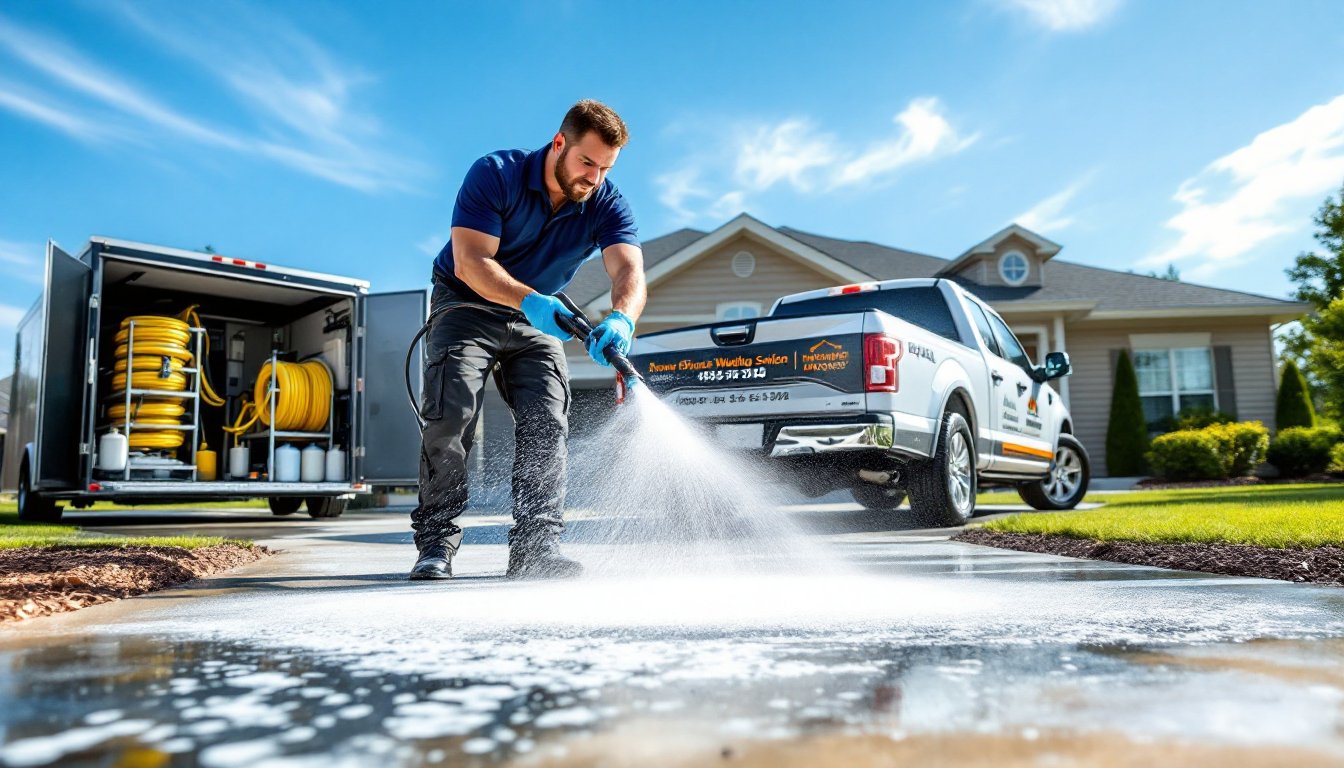
Starting a commercial pressure washing business is one of the most accessible entry points into entrepreneurship. With relatively low startup costs, high demand, and repeat-customer potential, it’s a solid venture for anyone willing to work outdoors and build a service-based business from scratch. Unlike franchises or retail operations that require significant capital, pressure washing lets you start small and scale as you gain clients. What do you need to start a pressure washing business? The essentials include equipment, basic business licensing, insurance, and a marketing plan. This guide walks through each step, from selecting the right pressure washer to landing your first paying customers.
Table of Contents
ToggleKey Takeaways
- Starting a pressure washing business requires only $2,000–$5,000 in startup costs, making it an accessible entrepreneurial opportunity with strong profit potential and low barriers to entry.
- Invest in commercial-grade equipment rated at 3,000–4,000 PSI, proper safety gear, and essential tools like surface cleaners and variable-degree nozzles to deliver professional results consistently.
- Secure general liability insurance ($500–$1,000 annually), obtain a business license, and form an LLC to protect your personal assets and meet legal requirements in your jurisdiction.
- Price by the job or square footage rather than hourly rates, research local market rates, and offer package deals to increase average sale value and build repeat business.
- Build your local reputation through a Google Business Profile, before-and-after photos, exceptional service delivery, and customer reviews—your primary growth engine in a service-area business.
- Focus on landing initial clients through your network, then scale through referral programs and partnerships with real estate agents and property managers to generate steady, recurring revenue.
Why Pressure Washing Is a Profitable Business Opportunity
Pressure washing delivers immediate, visible results that homeowners and businesses are willing to pay for. Driveways, siding, decks, fences, parking lots, and commercial storefronts all accumulate dirt, mold, and grime that reduce curb appeal and can even damage surfaces over time. The barrier to entry is low compared to trades that require specialized licenses or years of training.
Startup costs typically range from $2,000 to $5,000 for a basic setup, including a commercial-grade pressure washer, hoses, nozzles, cleaning solutions, and safety gear. You don’t need a storefront or expensive inventory. Many operators start part-time, working weekends and evenings, then transition to full-time as they build a client base.
Profit margins are strong when priced correctly. Residential jobs might run $150 to $500, while commercial contracts can reach thousands per project. Repeat business is common, driveways need annual cleaning, fleet vehicles need regular washing, and property managers schedule quarterly service. This recurring revenue potential makes the model sustainable once you establish a reputation.
The work is physically demanding and weather-dependent, but it’s straightforward. You’re not troubleshooting electrical systems or interpreting code requirements. Learn proper techniques, invest in reliable equipment, and deliver consistent results. That’s the core of the business model.
Essential Equipment and Supplies You’ll Need
Your pressure washer is the heart of the operation. For a commercial pressure washing business, you’ll need a gas-powered unit rated at 3,000–4,000 PSI with a flow rate of at least 3.5 GPM (gallons per minute). Electric models work for light residential tasks, but they lack the power and portability for full-time professional use. Brands like Honda, Kohler, or Kawasaki engines paired with pumps from General Pump or Cat Pumps are industry standards.
You’ll also need:
- Surface cleaner attachment for flat surfaces like driveways and patios (speeds up the job and prevents streaking)
- Variable-degree nozzles (0°, 15°, 25°, 40°, and soap nozzle), never use 0° on wood or siding: it can gouge surfaces
- 100-foot high-pressure hose (longer hoses reduce efficiency, shorter ones limit reach)
- Downstream chemical injector for applying detergents and degreasers
- Cleaning solutions: biodegradable degreasers, mold and mildew removers, and surface-specific cleaners (sodium hypochlorite for organic stains, surfactants for oil)
- Water tank or buffer tank if you’re working where water access is limited
Safety gear is non-negotiable. Wear safety goggles, waterproof gloves, and closed-toe boots with slip-resistant soles. High-pressure water can cause serious injury, treat the equipment with respect.
A reliable truck or trailer is essential for transporting gear. Many operators start with a pickup truck and enclosed trailer to protect equipment from weather and theft. Budget another $1,000–$2,000 for a trailer if you don’t already have one.
Don’t skimp on equipment quality. A $300 consumer-grade pressure washer won’t survive daily commercial use. Buy once, maintain it properly, and it’ll run for years.
Getting Licensed, Insured, and Legal
What do i need to start a pressure washing business legally? Start with your local city or county clerk’s office to register your business name and apply for a business license. Requirements vary by jurisdiction, some cities require a general business license, others need a contractor’s license if you’re doing exterior cleaning. Call ahead and ask specifically about pressure washing or exterior cleaning services.
You’ll need to choose a business structure: sole proprietorship, LLC, or corporation. Most small operators start as a sole proprietor for simplicity, but forming an LLC (limited liability company) protects your personal assets if a client sues for property damage. The filing fee is typically $100–$300, and you can do it yourself or hire a service.
General liability insurance is critical. You’re working with high-pressure equipment near windows, paint, vehicles, and landscaping. One mistake, a broken window, damaged siding, or a client slipping on wet pavement, can cost thousands. Coverage typically starts around $500–$1,000 annually for $1 million in liability. Some clients, especially commercial property managers, won’t hire you without proof of insurance.
If you hire employees, you’ll need workers’ compensation insurance and to register for payroll taxes. Starting solo avoids this complexity initially.
Check if your municipality requires a wastewater discharge permit. Some areas regulate runoff from pressure washing, especially when cleaning with chemicals. The EPA has guidelines, but enforcement is local. Call your city’s environmental or public works department.
Keep records of all licenses, insurance policies, and permits. Clients, especially businesses using contractor matching services, will ask for copies before awarding contracts.
Setting Your Service Prices and Packages
Pricing pressure washing services depends on square footage, surface type, degree of soiling, and local market rates. Avoid hourly pricing, it penalizes efficiency. Instead, price by the job or by square foot.
Residential pricing examples:
- Driveway cleaning: $0.15–$0.30 per square foot (a 500 sq ft driveway runs $75–$150)
- House siding: $0.10–$0.25 per square foot or $200–$400 for a typical single-story home
- Deck cleaning: $0.25–$0.50 per square foot (includes prepping for stain or seal)
- Fence washing: $1–$3 per linear foot, depending on height and material
Commercial jobs are typically priced higher due to larger areas and repeat contracts. Parking lots, storefronts, and fleet vehicle washing can run $500–$2,000+ per project.
Research your local market by checking competitors’ pricing on platforms like Angi or calling for quotes. Don’t undercut to win jobs early on, you’ll train customers to expect low prices. Price competitively but profitably. Factor in your time, fuel, water, chemicals, equipment wear, and profit margin.
Offer package deals to increase average sale value: driveway + walkway + patio for a bundled rate, or seasonal maintenance contracts (spring and fall cleanings at a discounted rate). Commercial clients appreciate contracts that lock in pricing and guarantee service dates.
Always provide written estimates. Walk the property, measure surfaces, note obstacles (delicate landscaping, nearby windows), and give a firm price before starting work. This prevents disputes and builds trust.
Marketing Your Pressure Washing Services Locally
Pressure washing is a local, service-area business. Your marketing should focus on visibility within a 10–20 mile radius where you can operate efficiently without excessive drive time.
Start with a Google Business Profile (formerly Google My Business). It’s free and puts you in local search results when someone types “pressure washing near me.” Upload photos of completed jobs, post your service area, and collect reviews from every satisfied customer. Positive reviews are the fastest way to build credibility.
Create a simple website with your services, pricing (or at least ranges), service area, contact form, and before-and-after photos. You don’t need a fancy design, just clear information. Include your business name, phone number, and address on every page for local SEO.
Door-to-door marketing works surprisingly well in neighborhoods where you’re already working. Print flyers or door hangers offering a discount for neighbors when you’re on-site. “We’re cleaning your neighbor’s driveway today, book this week and save 15%.” It’s low-cost and builds visibility.
Join local Facebook groups, Nextdoor, and community forums. Participate genuinely, then offer your services when relevant. Don’t spam, provide value and let people come to you.
Network with real estate agents, property managers, and landscapers. Realtors need homes cleaned before listing photos. Property managers need regular service for rentals and commercial properties. Landscapers can refer clients who need more than mowing. Offer a referral fee to incentivize partnerships.
Invest in vehicle signage, your truck or trailer becomes a mobile billboard. Include your business name, phone number, and key services. People notice clean equipment and professional branding.
Platforms like ImproveNet connect homeowners with local contractors and can generate leads, though they often charge per lead or take a commission. Weigh the cost against your average job value before committing.
Landing Your First Clients and Building Reputation
Your first clients will likely come from your immediate network. Tell friends, family, neighbors, and former coworkers what you’re doing. Offer a discounted introductory rate in exchange for permission to photograph the work and ask for a review.
Use those first jobs to build a portfolio. Take high-quality before-and-after photos from the same angle. Post them on your website, Google Business Profile, and social media. Visual proof sells pressure washing better than any description.
Deliver exceptional service on every job. Show up on time, communicate clearly, protect landscaping and adjacent surfaces, and clean up thoroughly. Small touches, like rinsing off sidewalks after finishing a driveway or wiping down windows you accidentally splashed, turn one-time customers into repeat clients and referral sources.
Ask for reviews immediately after completing a job. Send a follow-up text or email with a direct link to your Google Business Profile. Make it easy. Most satisfied customers will leave a review if you ask, they just won’t think to do it on their own.
Consider offering a referral incentive: $25 off the next service for every new client referred. Word-of-mouth is your most cost-effective marketing channel.
As you gain experience, raise your prices gradually. Don’t stay at introductory rates indefinitely. Professional work deserves professional pricing. Track your jobs, expenses, and profit margins in a simple spreadsheet or app like QuickBooks Self-Employed. Knowing your numbers lets you make smart decisions as you grow.
Consistency matters more than perfection. Show up, do solid work, treat people fairly, and your reputation will build itself. Once you have a foundation of repeat clients and steady referrals, you can scale up equipment, hire help, or expand your service area.
Conclusion
Starting a pressure washing business doesn’t require a four-year degree or a trust fund. It requires reliable equipment, proper insurance, fair pricing, and consistent effort. The work is straightforward, the demand is steady, and the profit potential is real. Focus on delivering quality results, building a local reputation, and treating your business seriously from day one. The rest will follow.