Above ground pools offer all the splash without the price tag of in-ground options, but they often come with one major drawback: they’re exposed. Without privacy, every swim feels like a spectator sport for the neighbors. Whether it’s creating a peaceful retreat or simply adding some breathing room, the right privacy solutions can turn a basic pool deck into a secluded getaway. From natural barriers to structural screens, there are plenty of ways to shield your space without sacrificing style or very costly.
Table of Contents
ToggleKey Takeaways
- Above ground pool deck privacy ideas range from fast-growing hedges like bamboo and arborvitae to structural screens, each solving visibility, comfort, and safety concerns.
- Natural privacy solutions such as potted plants and living screens are adaptable and improve pool use by creating a retreat atmosphere rather than an exposed fishbowl.
- Horizontal slat fencing and lattice panels deliver immediate results with wood, composite, and metal options that match any design style from farmhouse to modern.
- Fast-growing hedges like bamboo reach 8–12 feet in 3–4 years and require at least 6 hours of sun and consistent moisture for optimal establishment.
- Metal privacy screens and composite lattice offer low-maintenance alternatives to wood, resisting rot, rust, and weather while eliminating the need for regular refinishing.
- Check local zoning ordinances and setback requirements before installing privacy fencing or structural screens, as height restrictions and permits may apply to deck-mounted features.
Why Privacy Matters for Your Above Ground Pool Deck
Privacy isn’t just about dodging prying eyes, it directly affects how homeowners use their pool. An exposed deck limits relaxation, discourages evening swims, and can even reduce property value if the setup feels unfinished.
Most above ground pools sit 4 to 5 feet off the ground, making them visible from neighboring yards and sidewalks. That elevation creates sight lines that wouldn’t exist with an in-ground pool. Adding a deck around the pool amplifies this visibility, especially if the deck platform extends above the pool rim.
Beyond aesthetics, privacy affects comfort and safety. It reduces noise bleed from nearby streets, creates windbreaks that keep the water warmer, and establishes clear boundaries for kids and pets. If the pool area feels like an extension of the living space rather than a fishbowl, it gets used more often.
Regular pool maintenance becomes easier when privacy features also serve functional purposes, like blocking debris from neighboring trees or providing shade that reduces evaporation. Consider these solutions as infrastructure, not decoration.
Natural Privacy Solutions: Plants and Greenery
Living screens offer privacy that grows denser over time. Plants soften hard edges, absorb sound, and add color without the rigid look of fencing. They’re also adaptable, containers can be moved, and hedges can be trimmed to control sight lines.
Fast-Growing Privacy Hedges and Shrubs
Bamboo is a top choice for rapid screening. Clumping varieties like Fargesia stay contained and reach 8 to 12 feet in three to four years. Plant them 3 to 4 feet apart in well-draining soil. Note: check local regulations, as some municipalities restrict running bamboo species.
Arborvitae (Thuja) grows 3 feet per year and reaches 10 to 15 feet at maturity. The dense evergreen foliage provides year-round coverage. Space them 3 feet on center for a solid hedge. They tolerate partial shade but grow faster in full sun.
Skip laurel (Prunus laurocerasus ‘Schipkaensis’) handles heat and humidity well, growing 2 feet annually to a mature height of 10 to 12 feet. It’s drought-tolerant once established and resists most pests. Trim once a year to maintain shape.
Leyland cypress grows aggressively, up to 4 feet per year, but requires regular watering during establishment. It’s best for larger properties where the 20- to 30-foot mature height won’t overwhelm the space.
All these hedges need at least 6 hours of sun and consistent moisture for the first two growing seasons. Install drip irrigation if hand-watering isn’t feasible. Mulch around the base with 2 to 3 inches of shredded hardwood to retain moisture and suppress weeds.
Container Gardens and Potted Plants for Deck Perimeters
Containers are ideal for renters, tight budgets, or decks that can’t support in-ground planting. They’re portable, which means privacy can shift with the sun or the season.
Large planters (at least 18 inches in diameter) support substantial growth. Use lightweight resin or fiberglass pots to keep the deck load manageable, wet soil adds significant weight. A cubic foot of saturated potting mix weighs about 80 pounds.
Evergreen shrubs like boxwood, holly, or juniper stay full year-round. Pair them with ornamental grasses like maiden grass (Miscanthus) or fountain grass (Pennisetum) for movement and texture. These grasses reach 4 to 6 feet and create a soft screen without blocking airflow.
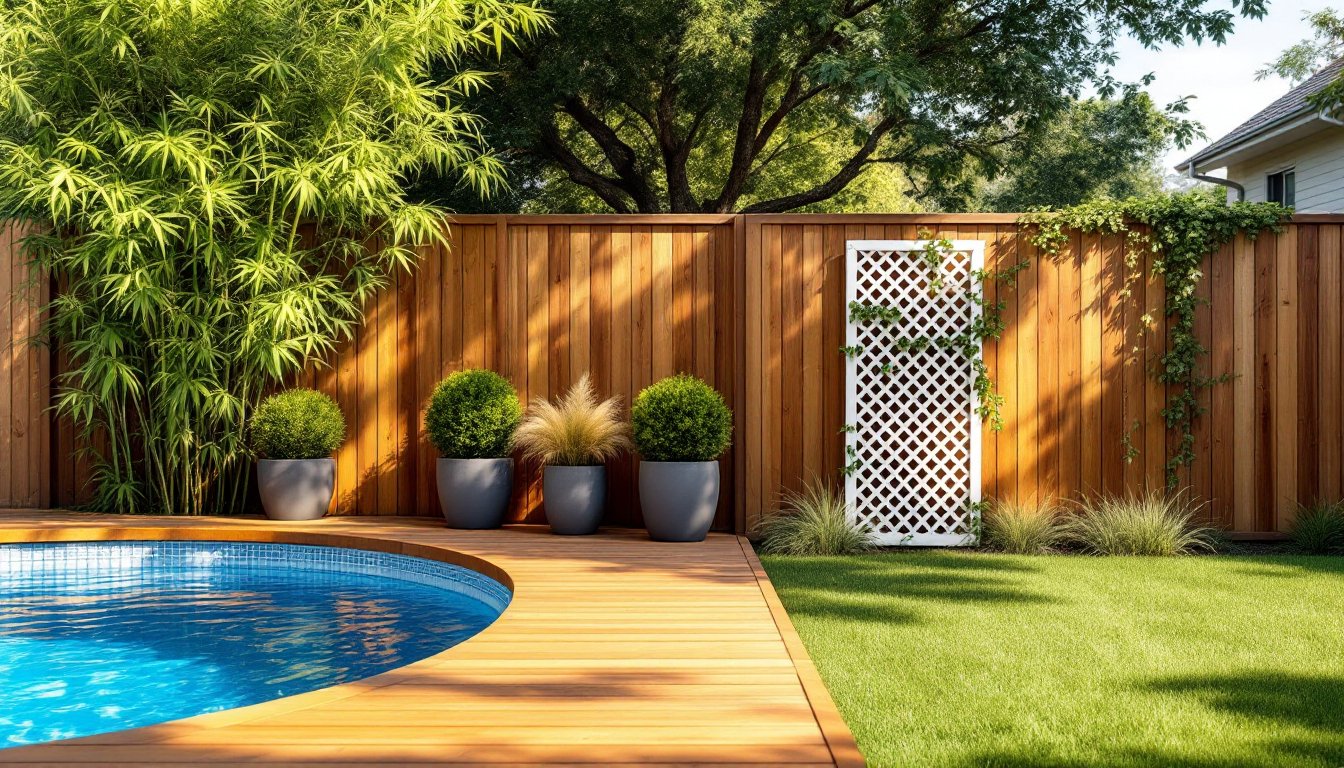
Trellises in planters extend vertical coverage. Train climbing vines like clematis, honeysuckle, or jasmine up a 6-foot cedar trellis anchored into the planter. The combination of container and trellis provides 8 to 10 feet of coverage.
Use a quality potting mix, not garden soil, and ensure containers have drainage holes. Potted plants dry out faster than in-ground plantings, so check moisture daily in summer. A slow-release granular fertilizer (14-14-14 NPK) applied in spring supports steady growth.
Keeping your pool deck tidy complements any privacy setup, and understanding pool cleaning routines helps maintain the overall look of the space.
Stylish Fencing and Screen Options
When plants won’t cut it, either due to soil conditions, immediate privacy needs, or aesthetic preference, structural screens deliver results. They’re predictable, low-maintenance, and come in materials that suit any style from farmhouse to mid-century modern.
Lattice Panels and Decorative Privacy Screens
Wood lattice panels are affordable and versatile. Standard 4×8-foot sheets in cedar or pressure-treated pine cost $30 to $60 each. Mount them vertically on 4×4 posts set in concrete, spacing posts 6 to 8 feet apart. Diagonal lattice offers more privacy than square patterns.
For added coverage, layer lattice panels and let climbing vines fill the gaps. This combines the instant structure of fencing with the softening effect of greenery. Paint or stain the lattice to match the deck, light colors reflect heat, while dark tones create dramatic contrast.
Metal privacy screens in laser-cut patterns add a contemporary edge. Aluminum and powder-coated steel resist rust and require no maintenance beyond occasional hosing. Panels typically measure 2×6 or 3×6 feet and cost $100 to $300 depending on complexity. Anchor them to pressure-treated posts or mount directly to deck framing if the structure can bear the load.
Composite lattice from brands like Trex or TimberTech won’t rot, warp, or splinter. It costs about double wood lattice but lasts decades without refinishing. It’s lighter than wood, making DIY installation easier.
All vertical screens need solid footing. Dig post holes 24 inches deep (or below the frost line in cold climates) and set posts in quick-setting concrete. Let the concrete cure 24 hours before attaching panels. Use galvanized or stainless steel screws, not nails, for connections that won’t loosen over time.
Design inspiration and additional project ideas can be found on sites like Better Homes & Gardens, which offers seasonal trends and material comparisons.
Horizontal Slat Fencing for Modern Appeal
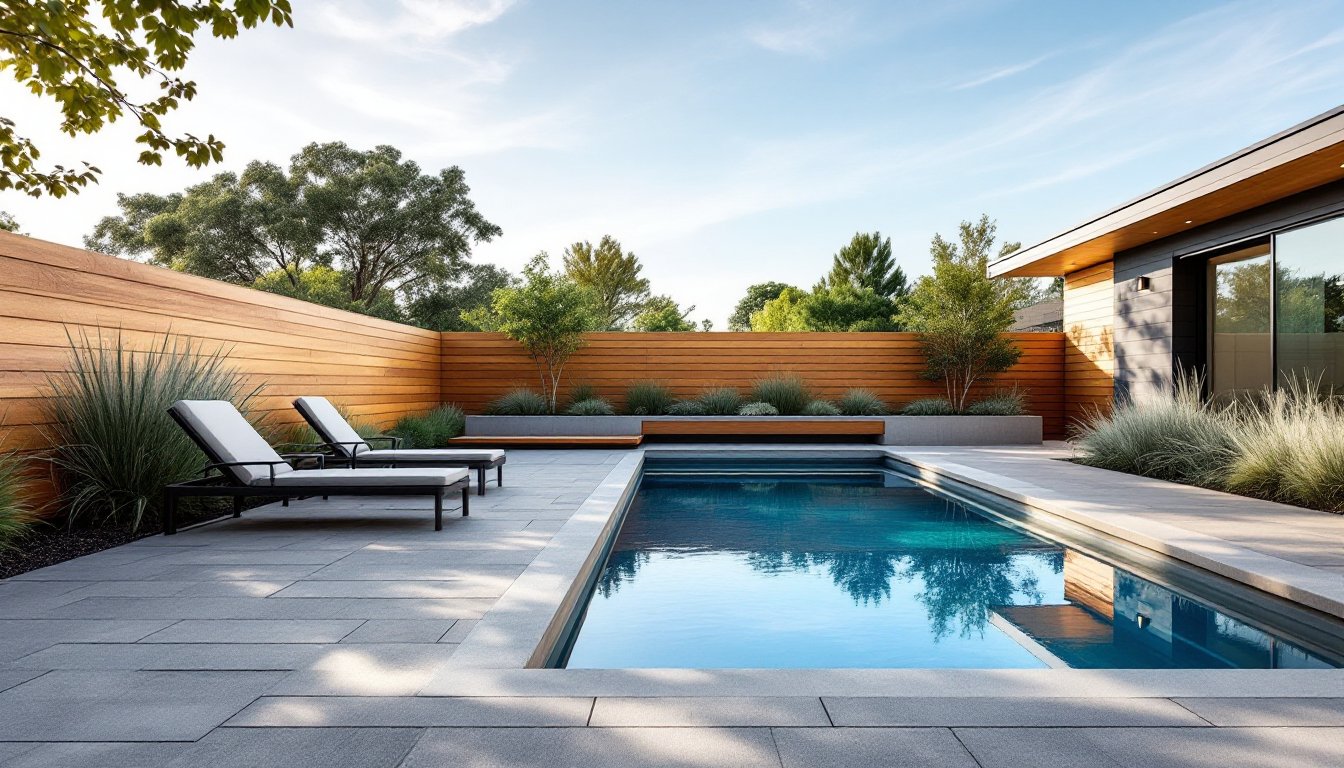
Horizontal slat fencing creates clean lines and a sense of width. It’s a step up in cost and complexity from lattice, but the finished look rivals custom carpentry.
Material options include cedar, redwood, ipe, or composite boards. Cedar 1×6 boards run about $2 to $4 per linear foot and need sealing every 2 to 3 years. Composite slats cost $5 to $8 per linear foot but eliminate maintenance.
Space slats 1/2 to 1 inch apart for partial privacy with airflow, or butt them tight for full screening. A 6-foot-tall fence with 1×6 slats spaced 1 inch apart uses about 10 boards per 8-foot section. Attach slats to 4×4 posts using exterior-grade screws and aluminum brackets.
Construction tips: Start the bottom slat 6 inches above grade to prevent rot. Use a spacer jig (a scrap block cut to the desired gap width) to keep spacing consistent. Pre-drill screw holes to prevent splitting, especially near board ends.
For a floating effect, mount slats on a hidden steel frame. This requires welding or pre-fabricated brackets and raises cost, but it eliminates visible posts and gives a high-end finish.
Horizontal fencing works well when paired with pool maintenance routines that keep the surrounding deck area neat and inviting. General home improvement ideas and material guides are widely available on platforms like Hunker, which covers everything from tool selection to finishing techniques.
Permitting and codes: Check local zoning ordinances before building. Many municipalities limit fence height to 6 feet in rear yards and require setbacks from property lines. If the fence is purely decorative and not on the property boundary, it may fall outside fence regulations, but it’s worth confirming. Structural screens attached to a deck may require a building permit if they alter the deck’s load rating.
Safety note: Wear safety glasses and hearing protection when cutting lumber. Use a miter saw or circular saw with a fine-tooth blade for clean cuts. If working with pressure-treated lumber, wear gloves and a dust mask, the chemicals used in treatment can irritate skin and lungs.
For pools that see heavy use, coordinating pool cover care with privacy features ensures the entire setup stays functional through seasonal changes.