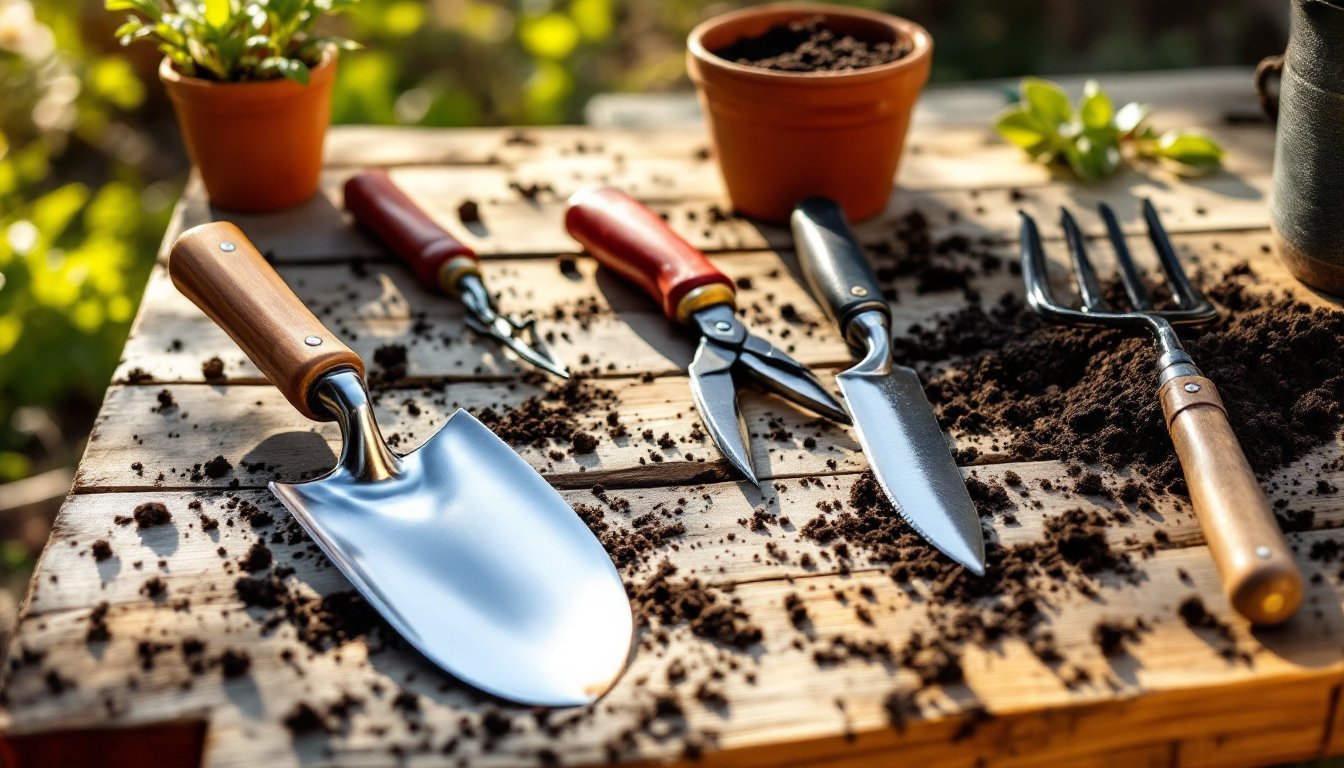
A gardener’s hand tools are the difference between fighting the yard and working with it. You can spend thousands on power equipment, but if your trowel flexes like a spoon or your pruners leave ragged cuts, you’re making more work for yourself. Quality hand tools aren’t about brand hype, they’re about leverage, edge retention, and ergonomics that won’t wreck your wrists after an hour of weeding. This guide covers the core hand tools every home gardener needs, what separates decent tools from junk, and why investing in the right pieces now saves money and frustration down the road.
Table of Contents
ToggleKey Takeaways
- Quality gardening hand tools made from forged steel and hardwood handles eliminate weak failure points and last decades, making them more cost-effective than cheap replacements.
- A one-piece forged trowel weighing 8–10 ounces with a sharp, tapered edge is the most essential hand tool every gardener should invest in for digging, transplanting, and soil work.
- Bypass pruners deliver cleaner cuts than anvil-style shears, preventing disease spread and ensuring faster plant healing—prioritize hardened steel blades with replaceable or sharpenable options.
- Proper soil preparation with a hand fork or cultivator improves drainage, root penetration, and nutrient availability without damaging beneficial soil organisms.
- Select hand tools based on your specific gardening tasks and soil conditions rather than buying generic sets, and prioritize replaceability and warranty coverage for long-term value.
- Specialized weeding tools like hori-hori knives and dandelion weeders extract whole roots more effectively than hand-pulling, preventing regrowth and reducing overall maintenance time.
Why Quality Hand Tools Matter for Your Garden
Cheap gardening tools fail in predictable ways: bent tines, loose rivets, cracked handles, and edges that dull after a season. When a trowel blade bends against compacted clay or a handle snaps mid-dig, you’re not just out $10, you’re redoing the work and risking injury.
Quality tools use forged steel or stainless steel instead of stamped metal. Forged tools resist bending, hold an edge longer, and distribute stress across the entire tool. Handles should be hardwood, fiberglass, or reinforced polymer, not hollow plastic. A well-designed grip reduces hand fatigue and blisters during repetitive tasks like transplanting seedlings or cutting back perennials.
Good tools also improve plant health. Clean cuts from sharp pruners heal faster and resist disease. A proper cultivator loosens soil without damaging feeder roots. Poor tools cause torn stems, compacted beds, and frustration that makes gardening feel like a chore instead of a project you can control.
Most importantly, quality hand tools last decades with minimal maintenance. A $40 trowel that works for 20 years costs far less than replacing $8 versions every other season. Initial cost stings, but long-term value and performance justify the investment.
Hand Trowel: The Gardener’s Best Friend
The trowel is the most-used tool in any gardener’s kit. It digs planting holes, transplants seedlings, breaks up root balls, scoops compost, and mixes amendments. If you only buy one quality hand tool, make it this one.
Look for a forged, one-piece construction where the blade and tang are a single piece of steel extending into the handle. This design eliminates the weak point where cheaper trowels snap. The blade should be 5 to 6 inches long with a moderate scoop, too narrow and it won’t move much soil: too wide and it’s awkward in tight spaces.
A sharp, tapered edge cuts through roots and sod without requiring a hacksaw. Stainless steel resists rust and cleans easily, but carbon steel holds an edge better if you’re willing to oil it occasionally. Professional gardening tools often feature ergonomic grips with soft overmolding or contoured wood to reduce hand strain.
Weight matters. A trowel that’s too light feels flimsy: too heavy and your hand fatigues. Around 8 to 10 ounces hits the sweet spot for most users. Test the grip if possible, your fingers shouldn’t cramp when holding it firmly.
For heavy clay or rocky soil, consider a trowel with a serrated edge or reinforced tip. Standard trowels work fine in loamy or sandy beds but struggle in challenging ground.
Pruning Shears: Precision Cutting for Healthy Plants
Pruning shears (also called hand pruners or secateurs) make clean cuts on stems up to ¾ inch diameter. Ragged cuts from dull or misaligned blades invite disease and slow healing. Sharp, properly maintained shears are non-negotiable for plant health.
There are two main types: bypass and anvil. Bypass pruners work like scissors, with two curved blades passing each other. They make the cleanest cuts and are the best choice for live stems, green wood, and precision work. Anvil pruners have one sharp blade that closes onto a flat surface, they’re better for dead wood but can crush live stems if dull.
For most gardeners, bypass pruners are the only style needed. Look for hardened steel blades (often labeled as SK-5 or high-carbon steel) that hold an edge through hundreds of cuts. Blades should be replaceable or sharpenable. Studies on cutting tool performance show that blade alignment and tension adjustment significantly affect cut quality.
Ergonomics are critical. Pruners with rotating handles or cushioned grips reduce wrist strain and hand fatigue, especially during heavy pruning sessions. If you have smaller hands or arthritis, test the grip span, some models require a wide squeeze that’s uncomfortable over time.
Wear safety glasses when pruning above shoulder height: stems can whip back toward your face. Wipe blades with rubbing alcohol between plants to prevent spreading pathogens.
Garden Fork and Cultivator: Soil Preparation Essentials
A hand fork (or cultivator) loosens compacted soil, works in amendments, and aerates around established plants without slicing through roots. It’s distinct from a full-size digging fork, hand versions are typically 8 to 10 inches long with three or four tines.
Forged steel tines resist bending in hard soil. The tines should be slightly curved and spaced about ½ inch apart, too wide and they skip small clods: too narrow and clay clogs between them. A comfortable grip is essential since you’re often twisting and pulling against soil resistance.
For heavier work like breaking up clay or turning compost in raised beds, a long-handled cultivator offers better leverage. These have three or five tines and a handle 12 to 18 inches long, letting you work from a standing or kneeling position without excessive bending.
Proper soil preparation improves drainage, root penetration, and nutrient availability. Use the fork to work compost or aged manure into the top 6 to 8 inches of soil, deeper if you’re establishing perennial beds. Avoid over-tilling, which destroys soil structure and beneficial organisms.
Wear gloves when cultivating: hidden rocks and roots can scrape knuckles. If you hit persistent resistance, switch to a larger tool or wet the area first, forcing a hand fork risks breaking tines or straining your wrist.
Weeding Tools: Keep Your Garden Beds Clean
Weeding by hand works, but the right tool makes it faster and gets the whole root. Leaving taproots behind means the weed regrows, often stronger. Different weeds require different approaches.
A hori-hori knife (Japanese soil knife) is the most versatile weeding tool. It has a 7-inch stainless steel blade with one serrated edge and a pointed tip, useful for digging, cutting roots, dividing perennials, and prying out deep taproots. The blade often includes depth markings for planting bulbs. It’s also handy for opening bags of mulch or cutting twine.
For dandelions and other deep-rooted weeds, a dandelion weeder (or asparagus fork) has a long, narrow blade with a forked or notched tip. Insert it vertically beside the weed, rock it back to loosen the root, and pull. These work best in moist soil, dry ground holds roots too tightly.
Cape Cod weeders have a small, angled blade on a short handle, ideal for scraping surface weeds and working in tight spaces between plants. They’re fast for young weeds but ineffective on established taproots.
A stirrup hoe (scuffle hoe) is technically a long-handled tool, but many gardeners use it as a hand tool in raised beds. It slices weeds just below the soil surface with a push-pull motion, efficient for large areas but not suitable for close work around desirable plants.
Effective weeding techniques include pulling after rain when soil is loose, mulching beds to suppress germination, and removing weeds before they set seed. Gloves protect against thorns and sap irritation, especially when handling thistles or spurge.
What to Look for When Buying Gardening Hand Tools
Not all tools are created equal, and higher price doesn’t always mean better performance. Here’s what actually matters.
Material and construction: Forged steel outlasts stamped metal. Stainless steel resists rust and cleans easily but costs more. Carbon steel takes a sharper edge but requires occasional oiling to prevent corrosion. Avoid tools with hollow plastic handles or visible seams where the blade attaches, these fail under stress.
Weight and balance: The tool should feel substantial without being tiring. Pick it up and mimic the motion you’ll use, a trowel that feels fine in-store might feel nose-heavy after 30 minutes of digging. Balance point should be near where your hand grips.
Grip comfort and ergonomics: Handles should fit your hand without requiring a death grip. Look for contoured shapes, soft overmolding, or natural wood that wicks moisture. If you have arthritis or hand pain, test ratcheting pruners or tools with larger grips that reduce force required.
Replaceability and maintenance: Can you sharpen the blade? Are replacement parts available? Some premium brands offer lifetime warranties and will replace broken tools, factor that into cost comparisons. Resources on selecting durable tools emphasize repairability as a key quality indicator.
Task-specific features: A trowel for container gardening doesn’t need the same heft as one for in-ground beds. Pruners for roses should have a bypass design: deadheading annuals can be done with smaller, lighter shears. Buy tools that match your actual tasks, not a generic “gardening set” with tools you’ll never use.
Safety features: Look for locking mechanisms on pruners, rubber bumpers that protect your hand, and sheaths or holsters for sharp tools. Detailed comparisons of tool features often highlight safety aspects overlooked by casual buyers.
Don’t skimp on tools you’ll use every week. A $15 trowel that lasts a season costs more over five years than a $50 tool that lasts 20. Buy the best you can afford for your core tools, trowel, pruners, and fork, then fill in specialty items as needed. Thoughtful gifts for fellow gardeners should focus on quality over quantity.
Conclusion
The right hand tools turn gardening from a battle into a manageable project. Start with a quality forged trowel, sharp bypass pruners, and a sturdy cultivator. Add weeding tools that match the weeds in your beds. Buy once, maintain properly, and these tools will outlast most of the plants they help you grow.