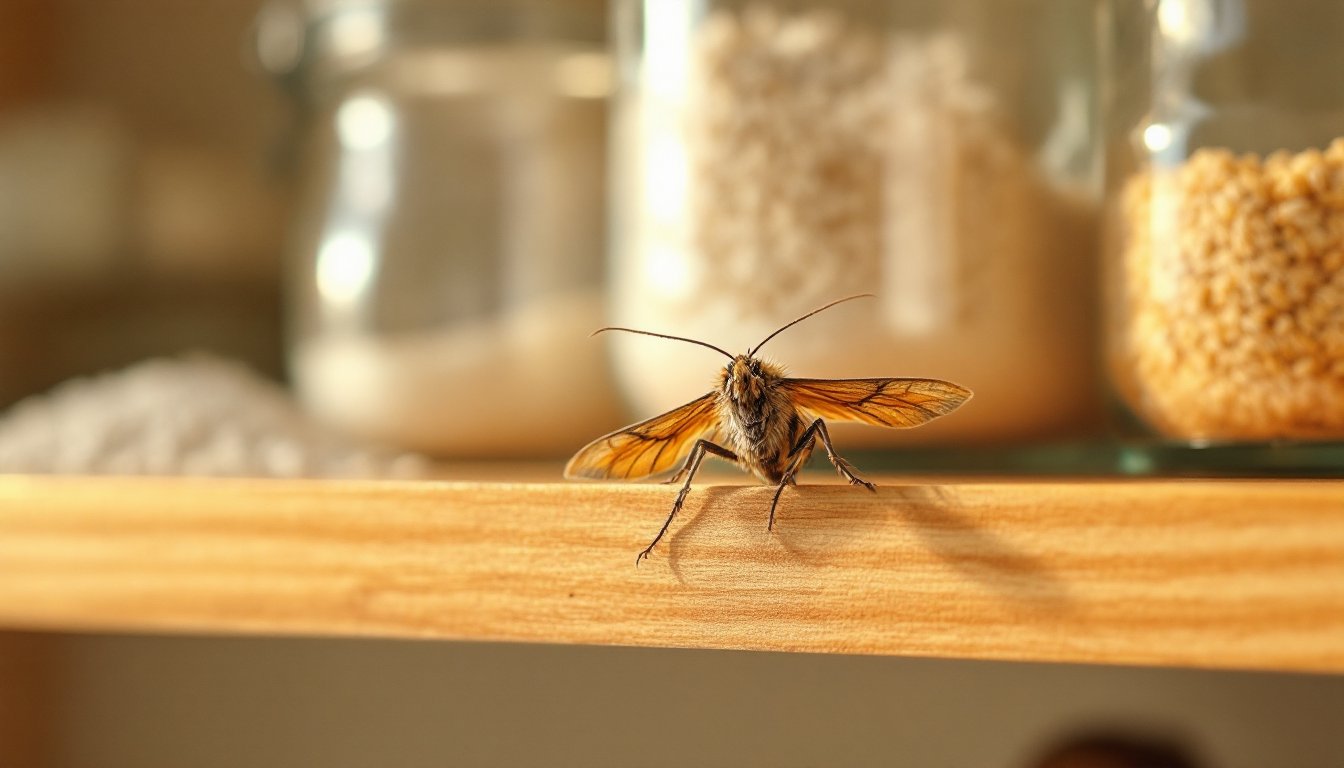
If you’ve spotted small, fluttering insects near your pantry or closet, you’re likely dealing with a moth infestation. These tiny moths aren’t just annoying, they can damage clothing, contaminate food, and reproduce fast enough to turn a minor problem into a full-scale household issue. The good news? With the right approach, homeowners can eliminate moths and keep them from coming back. This guide walks through identification, targeted elimination strategies, and prevention tactics that actually work.
Table of Contents
ToggleKey Takeaways
- Tiny moths in your house come in two main types—pantry moths that infest dry goods and clothes moths that damage natural fibers—and their larvae cause the real damage, not the flying adults you see.
- Eliminate tiny moths by locating infested materials, deep cleaning with hot soapy water or vinegar, washing fabrics in 120°F+ heat, and using pheromone traps to disrupt the breeding cycle.
- Store dry goods in airtight containers instead of cardboard, freeze new bulk purchases for 48 hours, and keep closets clean and organized through monthly vacuuming to prevent future infestations.
- Cedar blocks, lavender sachets, and diatomaceous earth work as preventive deterrents but don’t eliminate existing infestations—thorough cleaning must come first.
- For severe or persistent infestations across multiple rooms, consult a licensed pest control professional rather than attempting DIY-only solutions, as moths can hide in wall voids or ductwork.
What Are Those Tiny Moths Flying Around Your Home?
Those small moths darting around your kitchen or bedroom aren’t the large, outdoor moths attracted to porch lights. Indoor moths are typically 1/4 to 1/2 inch long, with narrow wings and a sluggish, erratic flight pattern. They’re usually active in low-light conditions and prefer enclosed, undisturbed spaces.
Most homeowners first notice the adults, but the real damage comes from the larvae, tiny caterpillars that feed on fabric fibers or dried food products. By the time you see flying moths, they’ve likely already laid eggs.
Common Types of Small Moths Found Indoors
Two species account for nearly all indoor moth problems: pantry moths (also called Indian meal moths) and clothes moths (including webbing clothes moths and casemaking clothes moths).
Pantry moths have tan or gray wings with a copper-bronze sheen on the lower half. Their larvae infest cereals, flour, rice, nuts, dried fruit, pet food, and birdseed. You’ll often find silky webbing in food packaging or small, cream-colored worms crawling on pantry shelves.
Clothes moths are pale gold or buff-colored, smaller than pantry moths, and avoid light. Unlike pantry moths, they rarely fly toward lamps or windows. Their larvae eat natural fibers, wool, silk, cashmere, fur, and feathers, leaving behind irregular holes and fine, sand-like droppings (frass). Casemake clothes moths leave small, rice-shaped cases behind.
If you see tiny white moths in house areas, you’re likely looking at newly emerged adults or a species variation. White or very pale moths are sometimes young webbing clothes moths or a sign of a heavy infestation where multiple generations overlap.
Where Tiny Moths Hide and What Attracts Them
Moths don’t invade randomly. They’re drawn to specific materials and conditions, and they prefer dark, undisturbed locations where larvae can feed without interruption.
Pantry moths target dry goods stored in cardboard, paper, or thin plastic. They often hitchhike into homes via grocery bags or bulk food purchases. Common hotspots include:
- Upper pantry shelves and the backs of cabinets
- Pet food bags stored in garages or basements
- Birdseed or decorative corn kept near entryways
- Forgotten spice jars or ancient baking supplies
Clothes moths seek out natural animal fibers, especially items that haven’t been cleaned or moved recently. They thrive in:
- The backs of closets, particularly those holding wool coats or vintage textiles
- Storage bins with off-season clothing
- Upholstered furniture made with horsehair padding or wool fabric
- Area rugs, especially wool or silk blends tucked under furniture
- Basements or attics where old linens, blankets, or taxidermy are stored
Both species prefer low humidity but will tolerate a wide range. Warmth accelerates their life cycle: in heated homes, moths can produce multiple generations per year instead of just one.
Lack of disturbance is key. Moths avoid areas with regular movement or cleaning. That’s why infestations often start in guest room closets, under beds, or in rarely opened cabinets. According to comprehensive pest control guides, checking dark spaces like the back of wardrobes is essential for early detection.
How to Get Rid of Tiny Moths: Step-by-Step Elimination Guide
Eliminating moths requires addressing both adult insects and larvae. Adults are a nuisance, but larvae cause the damage. Skip the larvae, and you’ll be right back where you started in a few weeks.
Step 1: Locate and Remove Infested Materials
For pantry moths, inspect every dry food item. Look for webbing, clumped grains, or small worms. Discard anything suspicious in sealed bags outside your home, not in kitchen trash cans where larvae can escape.
For clothes moths, pull everything out of closets and drawers. Examine wool sweaters, coats, blankets, and upholstered furniture. Look for holes, webbing, or tiny casings. Bag and dispose of heavily damaged items.
Step 2: Deep Clean Affected Areas
Vacuum all shelves, baseboards, corners, and cracks. Moths lay eggs in crevices, so use a crevice tool to reach tight spots. Empty the vacuum canister or bag outside immediately.
Wipe down pantry shelves and closet interiors with hot, soapy water or a vinegar solution (equal parts white vinegar and water). Pay attention to shelf brackets, screw holes, and corners.
Step 3: Launder or Freeze Salvageable Fabrics
Wash clothing and linens in hot water (at least 120°F) and dry on high heat for at least 30 minutes. Heat kills all life stages.
For items that can’t be washed, like wool coats or delicate vintage textiles, seal them in plastic bags and freeze for at least 72 hours at 0°F or below. This kills eggs and larvae. Let items return to room temperature before removing from bags to prevent condensation damage.
Step 4: Deploy Pheromone Traps
Sticky pheromone traps attract and capture male moths, interrupting the breeding cycle. Place them in pantries, closets, or near suspected hotspots. They won’t solve an infestation alone, but they help monitor activity and reduce reproduction.
Replace traps every 8-12 weeks or when fully covered.
Step 5: Consider Insecticide for Severe Infestations
For persistent problems, targeted insecticides can help. Look for products labeled for moths, ideally with active ingredients like pyrethrins or permethrin. Apply to cracks, baseboards, and shelving edges, never directly on food or clothing.
Always follow label instructions. Wear gloves and ensure adequate ventilation. If the infestation is widespread (multiple rooms, structural hiding spots), consult a licensed pest control professional. Some infestations nest in wall voids or ductwork, which require professional-grade treatments.
Natural Remedies and DIY Solutions
If you’d rather avoid synthetic chemicals, several natural methods can help, though they work best as complements to thorough cleaning, not replacements.
Cedar products repel adult moths but won’t kill larvae or eggs. Use cedar blocks, chips, or hangers in closets after eliminating active infestations. Sand blocks lightly every few months to refresh the scent.
Lavender sachets work similarly, they deter adults but don’t eliminate existing problems. Place dried lavender in closets, drawers, or storage bins.
Diatomaceous earth (food-grade) can be dusted lightly into cracks, along baseboards, or behind appliances. It damages insect exoskeletons, causing dehydration. Wear a dust mask during application and keep it away from children and pets.
Essential oils like cedarwood, lavender, or peppermint can be added to cotton balls and tucked into storage areas. Refresh monthly. They’re mild deterrents, not pesticides.
None of these natural options kill on contact or provide instant results. They work best for prevention after you’ve already cleared out infested materials and cleaned thoroughly. For practical approaches to maintaining a pest-free home, many homeowners reference guides on seasonal maintenance and cleaning routines.
Preventing Future Moth Infestations in Your Home
Once you’ve eliminated moths, the goal is to make your home uninviting for future generations. Prevention is easier than remediation.
Store Food Properly
Transfer dry goods into airtight containers, glass, heavy plastic, or metal with sealing lids. Cardboard and thin plastic bags offer no protection. Label containers with purchase dates and rotate stock regularly.
Inspect new groceries before storing. Look inside packaging for webbing or movement. If buying in bulk, freeze flour, grains, and nuts for 48 hours before pantry storage to kill any hitchhiking eggs.
Keep Closets Clean and Organized
Vacuum closet floors and shelves monthly. Wipe down rods and walls quarterly. Regular disturbance discourages moth settlement.
Clean clothing before long-term storage. Moths are attracted to perspiration, body oils, and food stains. Even “lightly worn” items should be laundered or dry-cleaned before being packed away.
Store off-season clothing in sealed plastic bins or vacuum-storage bags, not cardboard boxes. Add cedar blocks or lavender sachets as an extra deterrent.
Minimize Clutter
Moths love undisturbed piles. Don’t stack blankets, coats, or linens in corners for months at a time. Rotate stored items and inspect them every few months.
If you have vintage textiles, heirlooms, or wool rugs, inspect them seasonally. Shake them out, vacuum both sides, and check for damage.
Use Professional Cleaning for Upholstery and Rugs
Wool rugs, upholstered furniture, and drapery can harbor moth larvae in places vacuums can’t reach. Have these professionally cleaned every 12-18 months, especially if you’ve had a past infestation.
Inspect Secondhand Items
Used furniture, clothing, or rugs can bring moths into your home. Inspect carefully before bringing items inside. When possible, leave new-to-you textiles in a garage or shed for a few days and monitor for activity.
For ongoing tips on keeping your home in top condition, many homeowners turn to trusted maintenance resources for seasonal checklists and proactive care strategies.
Conclusion
Tiny moths in the house are more than a nuisance, they’re a sign that something in your storage habits or cleaning routine needs attention. With careful inspection, thorough cleaning, and smart storage practices, most homeowners can eliminate moths without calling in professionals. Stay vigilant, rotate stored goods, and keep closets tidy. Catch an infestation early, and it’s a weekend project. Ignore it, and you’re looking at damaged clothing, ruined pantry staples, and a much bigger headache.